What It Takes to Run a Grid on 100% Inverter-Based Resources
What it takes to run a grid on 100% inverter-based resources: inertia, fault current, system strength, a worked RoCoF example, and how operators got there.
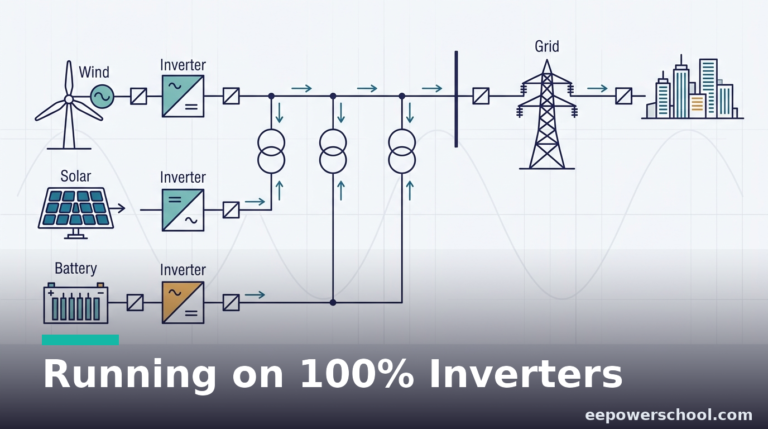
What it takes to run a grid on 100% inverter-based resources: inertia, fault current, system strength, a worked RoCoF example, and how operators got there.
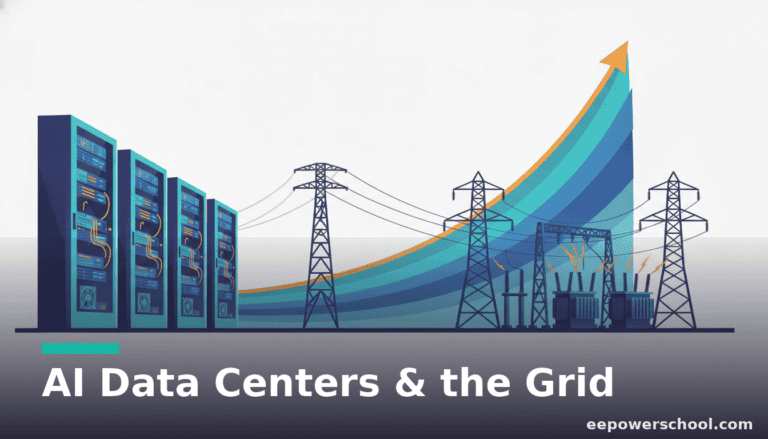
Data center load growth is reshaping the power grid. See the real numbers, a worked 100 MW campus example, and why flexible load is the smarter fix.
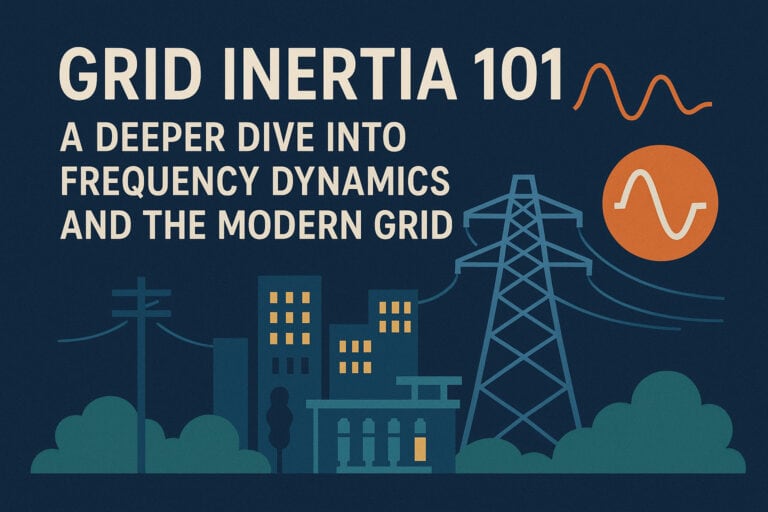
In the intricate dance of a power system, a concept as subtle as it is critical governs the rhythm: grid frequency. In the North American grid, this rhythm is a steady 60 Hz, representing the delicate balance between total generation and total electrical load. Any imbalance—a sudden increase in load or a loss of a…
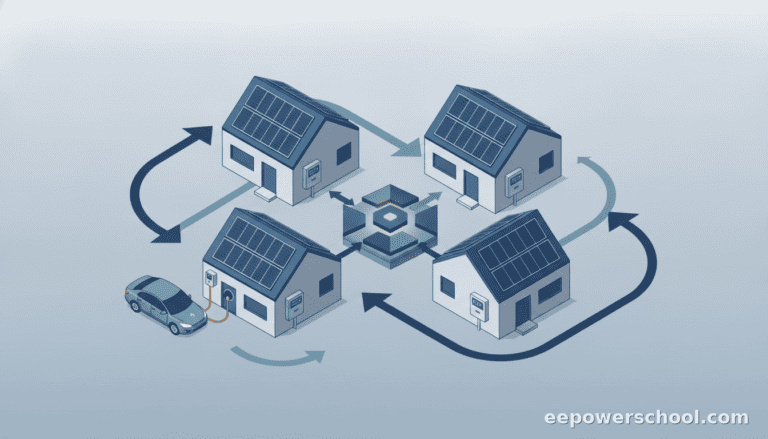
Smart grids are revolutionizing how electricity is managed, distributed, and consumed. In this article, we’ll explore what a smart grid is, its definition, benefits, and the role consumers play in shaping its future. What Is a Smart Grid? A smart grid refers to an advanced energy management system that integrates digital technology with traditional power…
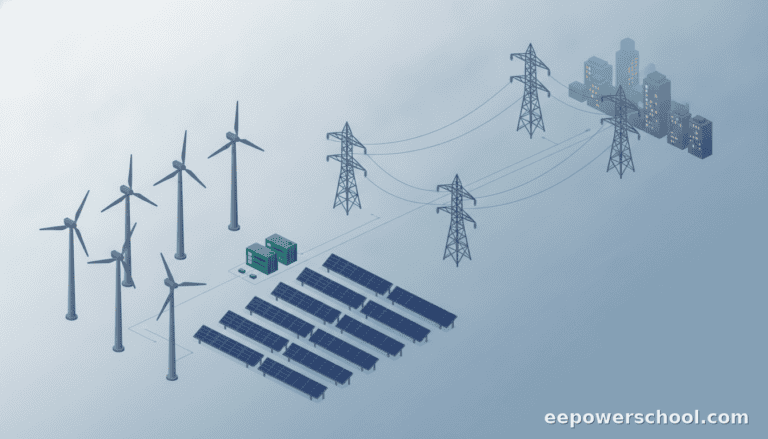
The future of electric grid will be more renewable and a highly complex system. This article explains how the future power grid will look!